

Your Shopping Cart


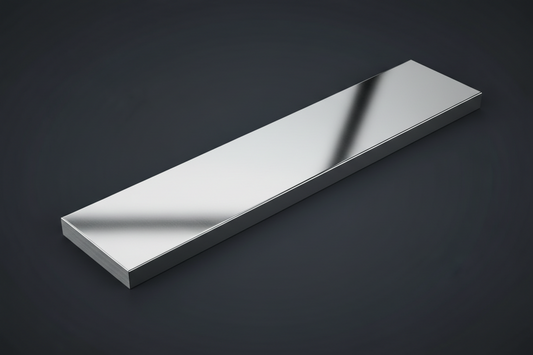

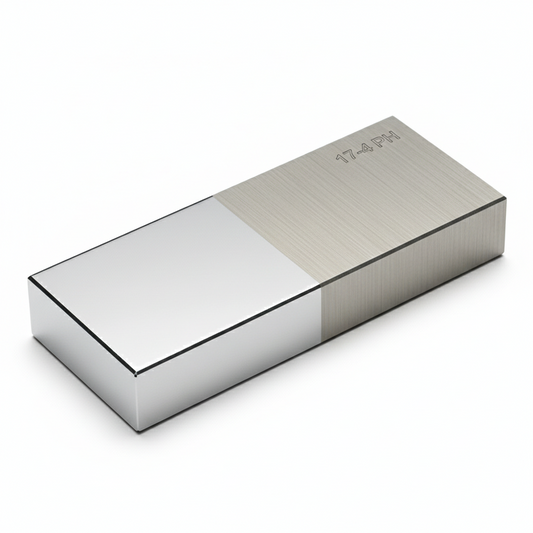

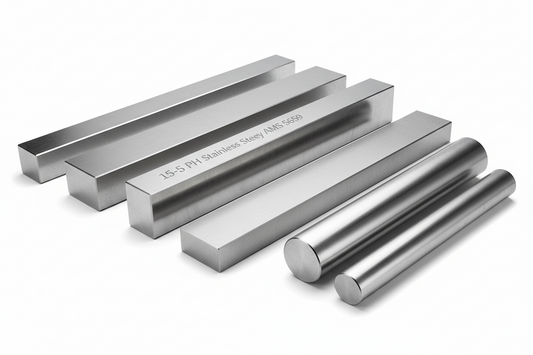




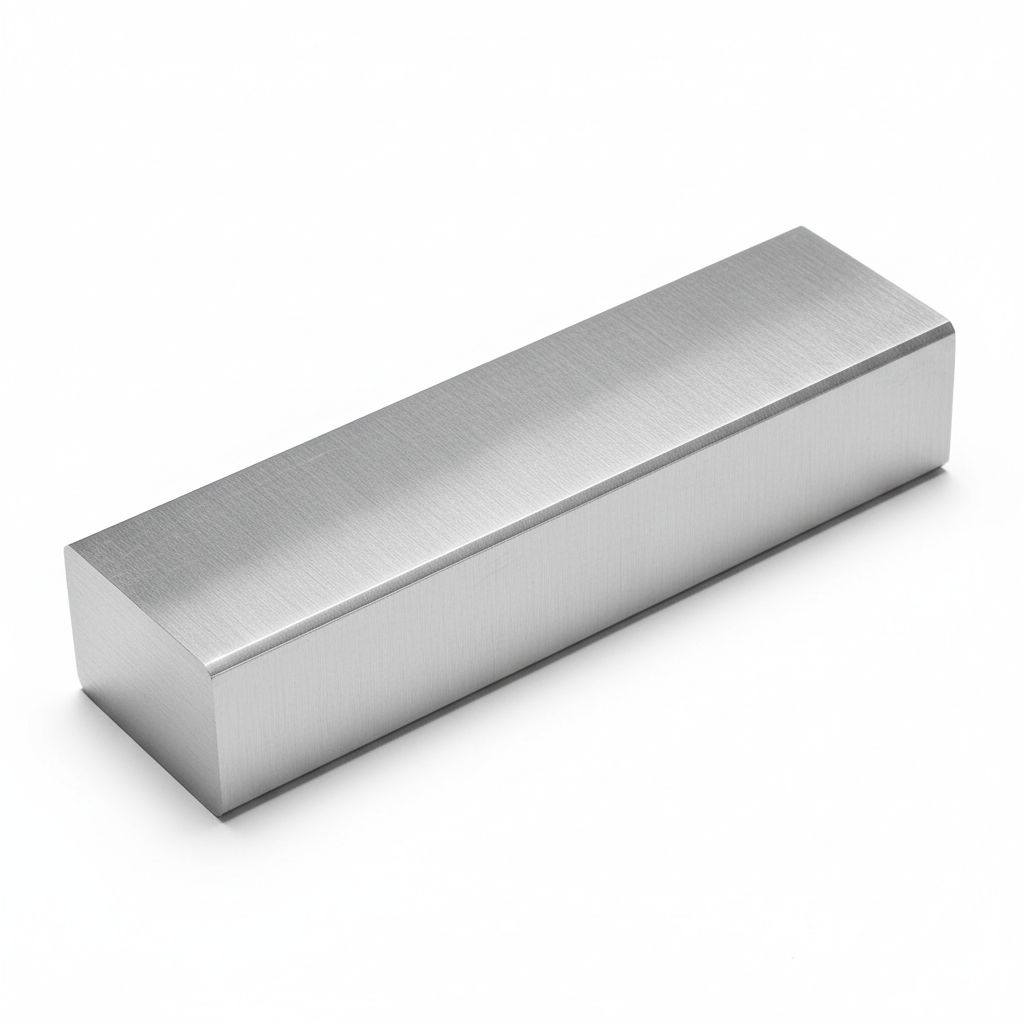
17-7 PH Stainless Steel (also known as UNS S17700 or Type 631 stainless steel) is a precipitation-hardening stainless steel designed to provide an exceptional combination of high strength, good corrosion resistance, excellent fatigue properties, and superior spring characteristics. It is widely used in aerospace, defense, industrial, and spring applications where high strength and elastic performance are required.
Key Characteristics
- Very High Strength: Achieves high tensile and yield strengths through cold working and precipitation hardening.
- Excellent Spring Properties: Maintains elasticity and resilience under repeated loading.
- Good Corrosion Resistance: Comparable to 304 stainless steel in many atmospheric and mild chemical environments.
- Excellent Fatigue Resistance: Performs well in cyclic loading applications.
- Good Formability: Can be formed in the annealed condition and then heat treated to develop final properties.
- Heat Treatable: Mechanical properties can be tailored through various conditioning and aging treatments.
Typical Chemical Composition
- Chromium (Cr): 16–18%
- Nickel (Ni): 6.5–7.75%
- Aluminum (Al): 0.75–1.50%
- Carbon (C): Max 0.09%
- Manganese (Mn): Max 1.00%
- Silicon (Si): Max 1.00%
- Phosphorus (P): Max 0.04%
- Sulfur (S): Max 0.03%
- Iron (Fe): Balance
Common Heat Treatment Conditions
| Condition | Typical Feature |
|---|---|
| Condition A | Solution annealed, suitable for forming |
| Condition TH 1050 | High strength with good spring properties |
| Condition RH 950 | Maximum strength and hardness |
| Condition CH 900 | Highest strength achieved through cold working and aging |
Typical Applications
- Aerospace springs and diaphragms
- Aircraft structural components
- Bellows and seals
- Precision washers and retaining rings
- Industrial springs and clips
- Flexible couplings
- Medical instruments
- High-strength sheet metal components
Advantages
✓ Excellent strength-to-weight ratio
✓ Outstanding spring and elastic properties
✓ High fatigue resistance
✓ Good corrosion resistance
✓ Heat treatable for a range of mechanical properties
✓ Suitable for precision formed components
Limitations
- More difficult to machine than many conventional stainless steels.
- Generally supplied as sheet, strip, and plate rather than heavy bar or forging products.
- Corrosion resistance is lower than 316 stainless steel in highly chloride-rich environments.
- Welding may require additional heat treatment to restore optimum properties.
Typical Mechanical Properties (RH 950 Condition)
- Tensile Strength: ~1,550–1,750 MPa (225–255 ksi)
- Yield Strength: ~1,380–1,590 MPa (200–230 ksi)
- Hardness: ~44–49 HRC
- Elongation: ~3–8%
17-7 PH Stainless Steel (also known as UNS S17700 or Type 631 stainless steel) is a precipitation-hardening stainless steel designed to provide an exceptional combination of high strength, good corrosion resistance, excellent fatigue properties, and superior spring characteristics. It is widely used in aerospace, defense, industrial, and spring applications where high strength and elastic performance are required.
Key Characteristics
- Very High Strength: Achieves high tensile and yield strengths through cold working and precipitation hardening.
- Excellent Spring Properties: Maintains elasticity and resilience under repeated loading.
- Good Corrosion Resistance: Comparable to 304 stainless steel in many atmospheric and mild chemical environments.
- Excellent Fatigue Resistance: Performs well in cyclic loading applications.
- Good Formability: Can be formed in the annealed condition and then heat treated to develop final properties.
- Heat Treatable: Mechanical properties can be tailored through various conditioning and aging treatments.
Typical Chemical Composition
- Chromium (Cr): 16–18%
- Nickel (Ni): 6.5–7.75%
- Aluminum (Al): 0.75–1.50%
- Carbon (C): Max 0.09%
- Manganese (Mn): Max 1.00%
- Silicon (Si): Max 1.00%
- Phosphorus (P): Max 0.04%
- Sulfur (S): Max 0.03%
- Iron (Fe): Balance
Common Heat Treatment Conditions
| Condition | Typical Feature |
|---|---|
| Condition A | Solution annealed, suitable for forming |
| Condition TH 1050 | High strength with good spring properties |
| Condition RH 950 | Maximum strength and hardness |
| Condition CH 900 | Highest strength achieved through cold working and aging |
Typical Applications
- Aerospace springs and diaphragms
- Aircraft structural components
- Bellows and seals
- Precision washers and retaining rings
- Industrial springs and clips
- Flexible couplings
- Medical instruments
- High-strength sheet metal components
Advantages
✓ Excellent strength-to-weight ratio
✓ Outstanding spring and elastic properties
✓ High fatigue resistance
✓ Good corrosion resistance
✓ Heat treatable for a range of mechanical properties
✓ Suitable for precision formed components
Limitations
- More difficult to machine than many conventional stainless steels.
- Generally supplied as sheet, strip, and plate rather than heavy bar or forging products.
- Corrosion resistance is lower than 316 stainless steel in highly chloride-rich environments.
- Welding may require additional heat treatment to restore optimum properties.
Typical Mechanical Properties (RH 950 Condition)
- Tensile Strength: ~1,550–1,750 MPa (225–255 ksi)
- Yield Strength: ~1,380–1,590 MPa (200–230 ksi)
- Hardness: ~44–49 HRC
- Elongation: ~3–8%
No certifications available.